Navarātri Day 2 · Mā Brahmacāriṇī
Āśvina · Śukla Pakṣa · Dvitīyā · Svādhiṣṭhāna Cakra
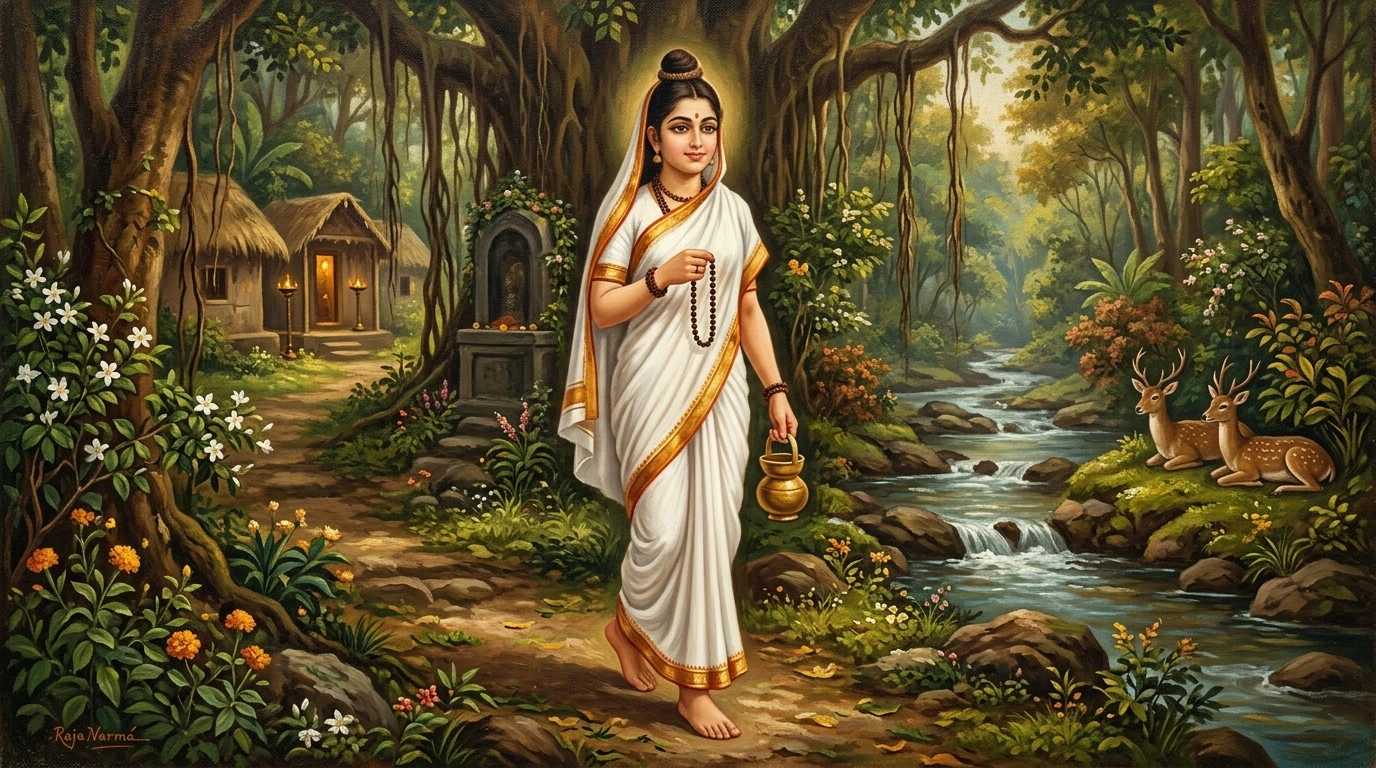
Navarātri Day 2 · Mā Brahmacāriṇī
Conducted during the auspicious forenoon and morning hours when sattvic prāṇa is purest and free from worldly disturbance.
The Legend of Navarātri Day 2 · Mā Brahmacāriṇī
Svādhiṣṭhāna Cakra
Celebrated according to sacred Vedic tradition and local sunrise reckoning.
Observed with temple visits, prayer, chanting, and sacred offerings.
The sacred story of Navarātri Day 2 · Mā Brahmacāriṇī is being prepared from authentic Purāṇic texts. The astronomical timings above are verified and correct.
How to keep the fast
Worship of Goddess Brahmacāriṇī, the ascetic manifestation of supreme penance. Kept with vows of truthfulness, sacred white flowers, and sugar (śarkarā) offering.
In Vedic astronomy, Rāhu is the shadow node (chāyā-graha) associated with illusion, darkness, and disruption. No new sacred endeavor, pūjā sankalpa, or idol installation (sthāpanā) should ever be commenced during Rāhu Kāla. Ongoing chanting or meditation may continue, but the initial invocation must never begin during this window.
Governed by Yama, the lord of mortality and justice. It is considered unfavorable for establishing enduring auspiciousness and prosperity; hence ritual beginnings and vows are suspended during this hour.
Notice: Part of this auspicious window overlaps with Rāhu Kāla. Vedic tradition advises initiating the primary sankalpa and sacred invocation either before Rāhu Kāla begins or immediately after it concludes.